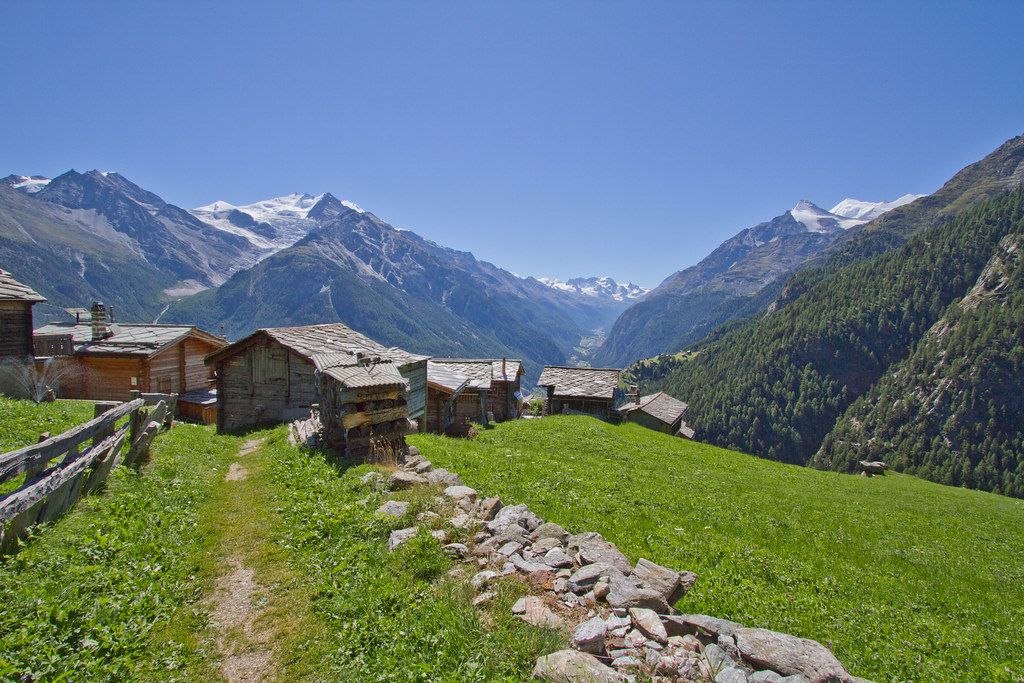
Two famous mountains, one route
The Haute Route links Chamonix, below Mont Blanc in France, with Zermatt, below the Matterhorn in Switzerland. Between them lie some of the highest and most heavily glaciated mountains in the Alps, and the route threads its way through them from hut to hut. It is one of the best-known mountain journeys in the world.
There are two quite different versions. The original Haute Route, first worked out by mountaineers in the 19th century, crosses the high glaciers and is now done mostly on skis in spring. The walkers' Haute Route, developed later, follows lower passes and valleys in summer and avoids the glaciers almost entirely. Both end with the Matterhorn rising above Zermatt, but they demand very different skills.
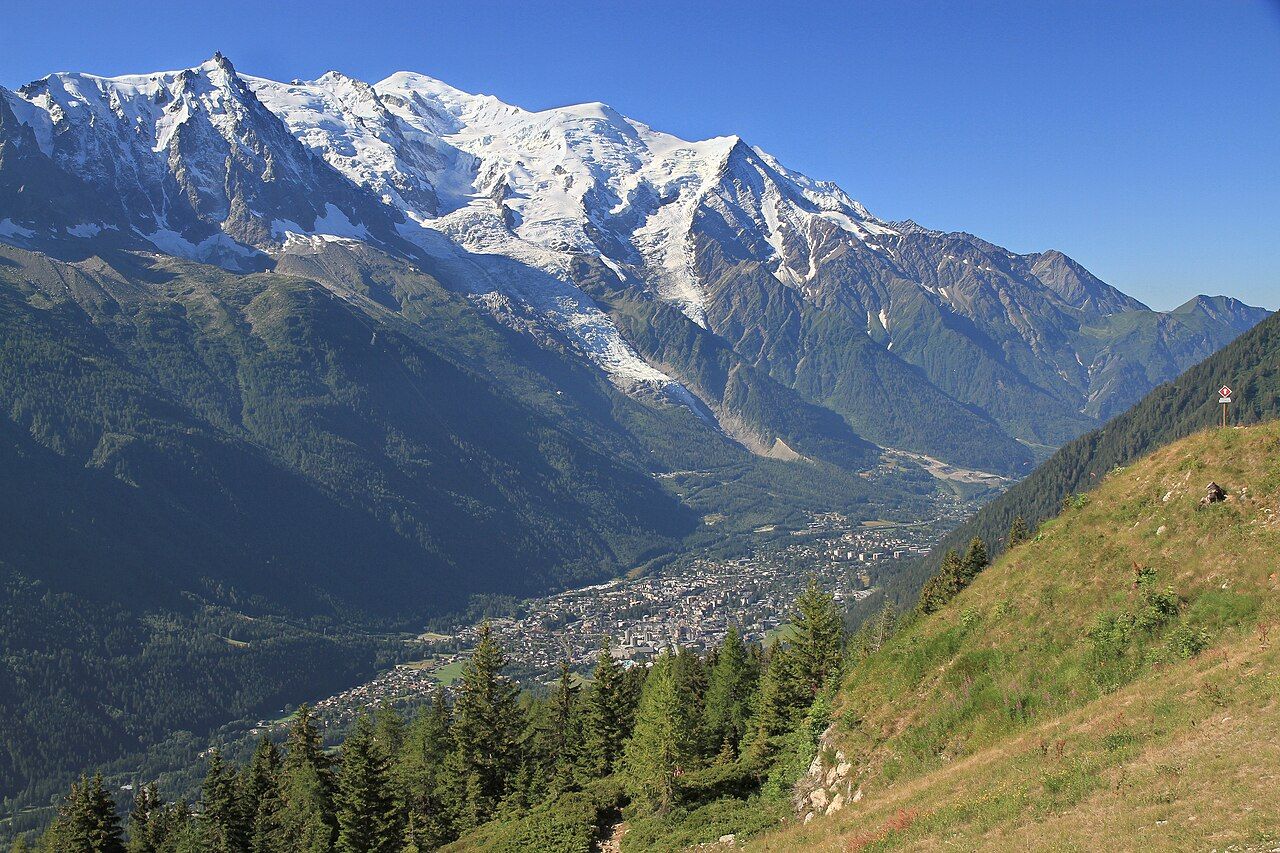
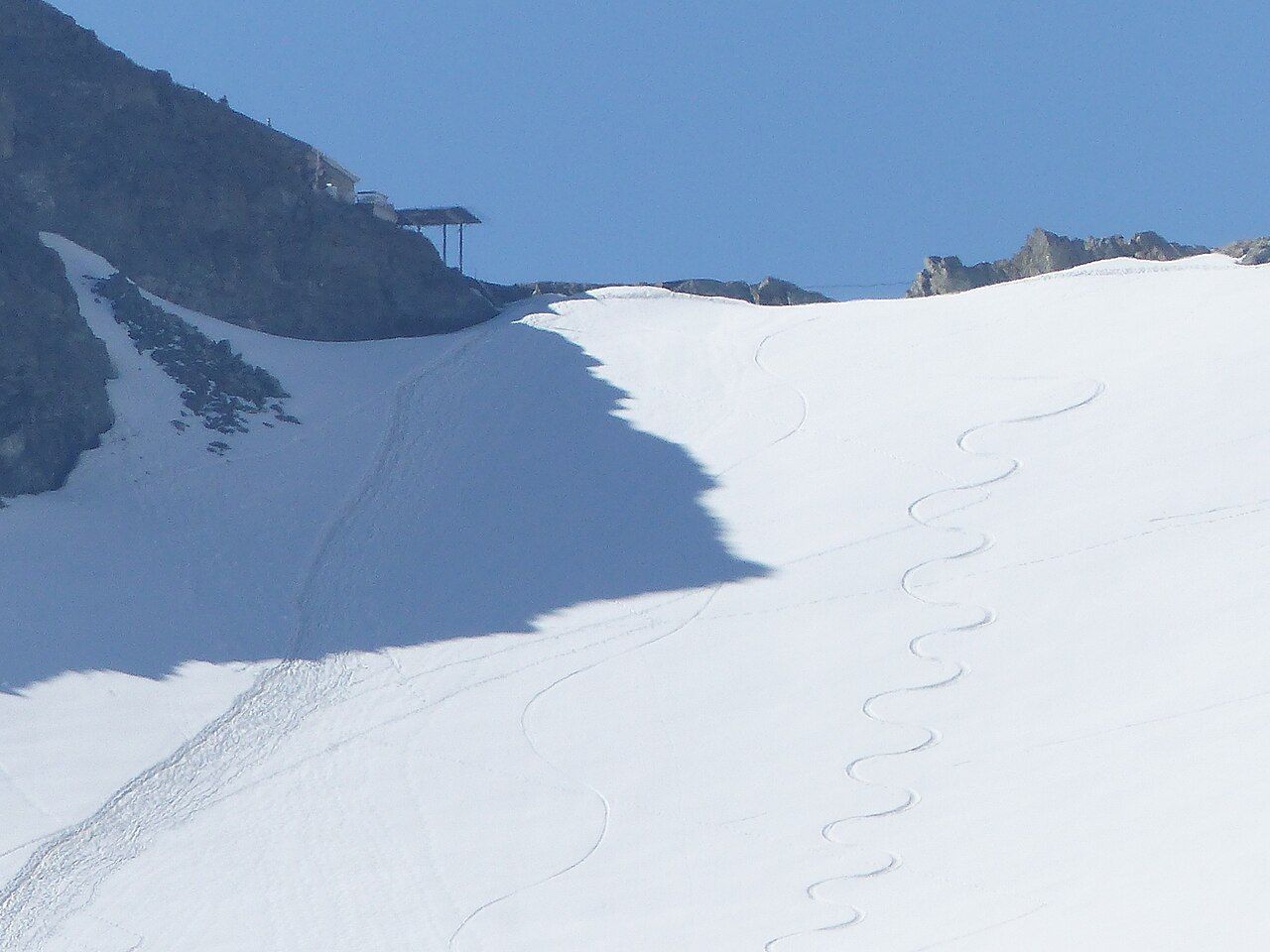
The ski Haute Route
The ski route is a high-mountain traverse of about a week, usually done between late March and early May, when the glaciers are well covered with snow and the huts are open for the spring season. Each day you climb on skins, cross cols at well over 3,000 metres and ski down glaciers to the next hut. The route varies with conditions and with the choices of the group, but the classic line passes through the Argentière basin, over the Swiss border into the Trient area, then east through the high country of the Valais by way of the Dix and Vignettes huts before the final crossing to Zermatt.
The final day is one of the great days in ski mountaineering: a long climb to high cols near the Italian border, then a descent over glaciers beneath the north face of the Matterhorn, down towards Zermatt. In good weather it is spectacular; in poor visibility it is a serious navigational problem in crevassed terrain.
This is not a route for beginners. It crosses crevassed glaciers, steep slopes, and avalanche terrain, often far from any road. You need to be a competent off-piste skier, comfortable on steep, variable snow with a heavy pack, and familiar with ski-touring techniques such as kick turns and skinning on hard snow. You also need glacier skills: roping up, crevasse rescue, and the judgement to read avalanche conditions.
A day on the ski route
A typical day starts in the dark. You eat breakfast at the hut, check transceivers at the door and set off by head torch while the snow is still frozen. The first hours are a steady climb on skins towards a col, with kick turns on the steeper sections and sometimes a short climb on foot with skis on the pack. At the col, you change over, then ski down a glacier, often roped or following the guide's line closely around crevasses. By early afternoon, before the sun softens the slopes, you reach the next hut, where the rest of the day goes to drying kit, eating, drinking and sleeping.
Some days are short and some are very long, and bad weather can pin a group in a hut for a day or more. Build spare days into your plans, and accept that the route may change, or end early, if conditions demand it.
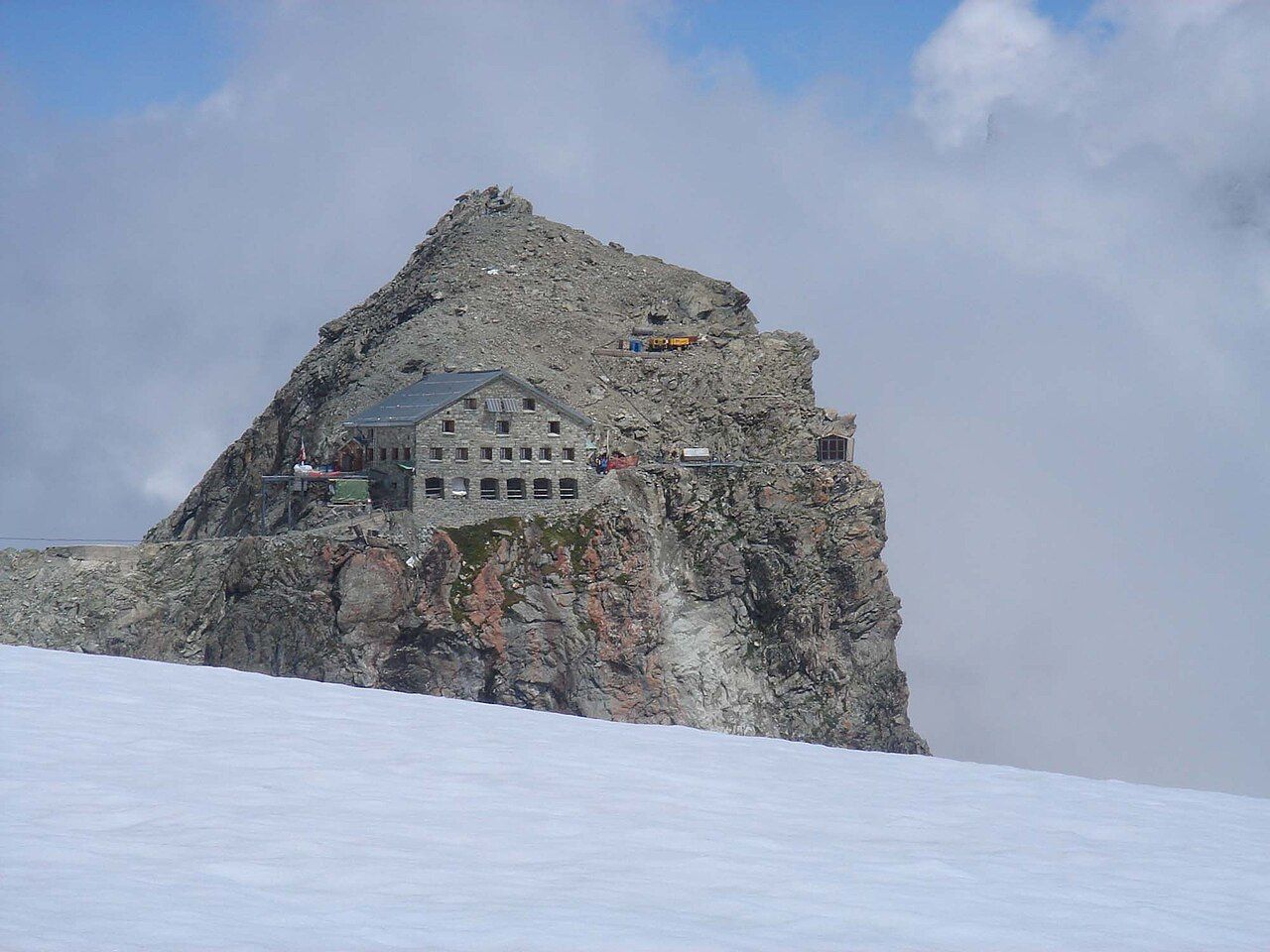
Why a guide comes first
For almost everyone, the right way to do the ski Haute Route is with a qualified mountain guide (IFMGA/UIAGM). A guide chooses the line each day to suit the snow, the weather and the group's strength, navigates in whiteout, manages the rope on glaciers and makes the call to wait or turn back. Many groups spend a season or two of guided ski touring beforehand, building the fitness and technique the route demands.
Even with a guide, you carry your own avalanche transceiver, probe and shovel, along with a harness, crampons, an ice axe and ski crampons, and you need to know how to use them. Read the avalanche bulletins for each country you cross. A bulletin does not tell you whether a particular slope is safe. Avalanche awareness and training are not optional on a route like this.
A bulletin does not tell you whether a particular slope is safe.
The ski route is also physically demanding. Days of six to eight hours, sometimes more, with 1,000 metres or more of ascent, at altitudes where breathing is harder, add up over a week. Come fit, and come ready to accept a rest day or a change of plan when the weather decides for you.
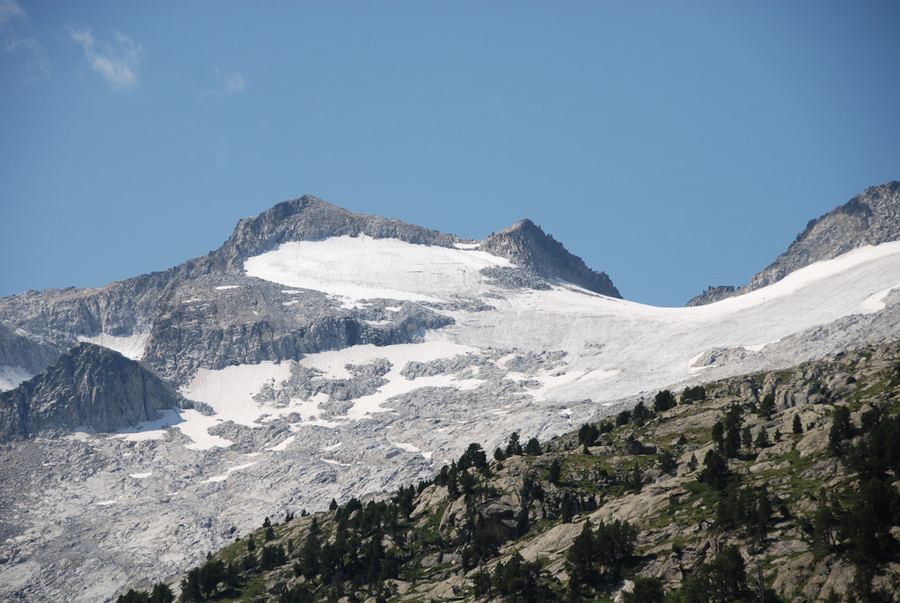 Another routeAneto, the roof of the Pyrenees
The walkers' Haute Route
In summer, the walkers' Haute Route offers a different journey. It takes roughly two weeks, crossing a series of high passes on foot between the valleys of the Valais. You walk from Chamonix into Switzerland, then east through villages and alpine pastures, over cols that reach close to 3,000 metres, and finally down the Mattertal to Zermatt.
It is a demanding trek, with long days and big climbs, but it stays on paths rather than glaciers. Some passes are steep and loose, some sections are exposed, and snow can linger on the high cols into July. Good fitness, sturdy boots, and the ability to navigate in cloud are essential. Many walkers carry light packs and stay in huts, mountain inns and village accommodation along the way.
Weather is the main hazard. Summer thunderstorms build quickly over the Alps, and a high pass is no place to be when they break. Start early, check the forecast every evening, and be ready to wait a day if storms are expected.
Huts and logistics
Both versions depend on mountain huts. Most are owned by alpine clubs and staffed during their open seasons, offering dormitory beds, dinner and breakfast in the evening and morning. They are often full in peak season, so reservations are essential, and opening dates vary with the year's snow. The customs are much like those in Pyrenean refuges: boots off at the door, quiet after dark and an early start.
Chamonix and Zermatt are both reached by train, and the valleys along the way are linked by buses and trains, which makes it possible to skip a stage or leave the route early if the weather turns. If you want to compare the Haute Route with a different kind of high-mountain skiing, La Grave and La Meije show what ungroomed, lift-served terrain looks like.
Choosing the right version
If you are a fit, experienced walker who wants a long journey through the Alps, the walkers' Haute Route is a great goal. If you are a strong off-piste skier with ski-touring and glacier experience, or ready to go with a guide and train for it, the ski version is one of the finest mountain journeys there is. Either way, the Matterhorn at the end is the reward, and the days that lead to it are the reason to go.