Why refuges matter
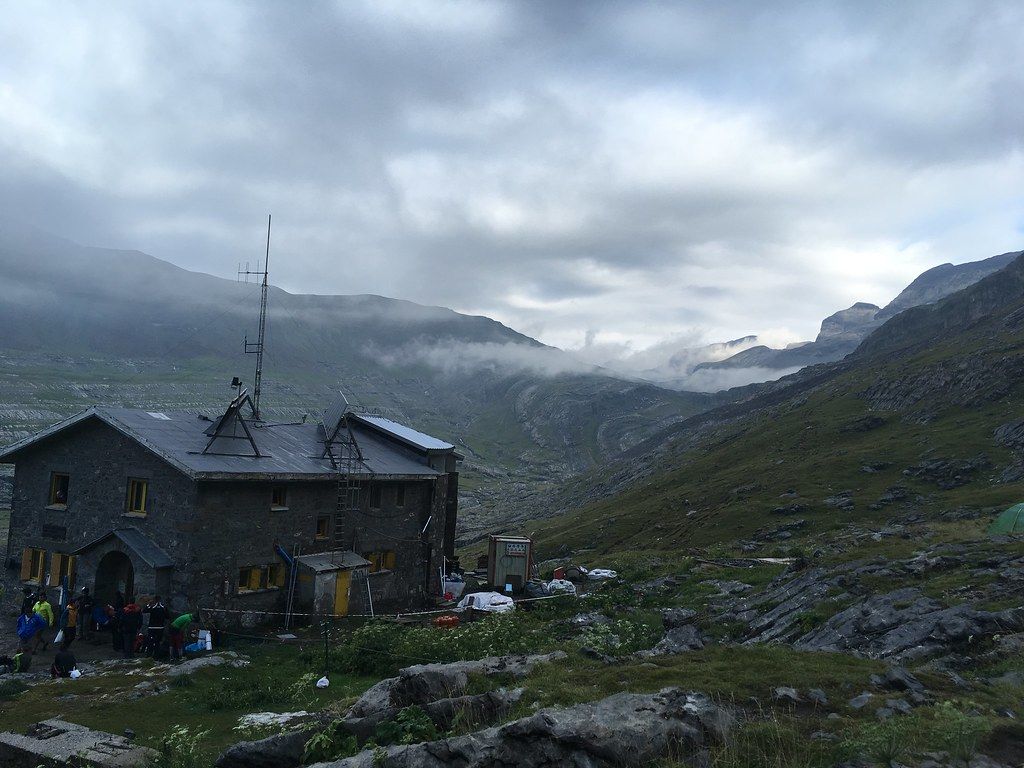
Refuges are what make the high Pyrenees accessible. Without them, reaching many lakes and summits would mean carrying a tent and stove for days. With them, you can walk light, sleep high, start early and avoid the afternoon storms. Many of the classic ascents, from Aneto to Monte Perdido, start from a refuge the night before.
Pyrenean refuges range from large staffed buildings with dozens of beds and hot meals to small stone shelters with a few bunks and nothing else. Knowing which is which, and how each works, makes your stay easier and safer.
Guarded and unguarded refuges
Guarded refuges are staffed by a warden and team during their open season, usually from early summer to early autumn, and sometimes at weekends or in spring for ski tourers. They offer dormitory beds, meals and often drinks and snacks. Many belong to mountain federations and alpine clubs, and members may pay less.
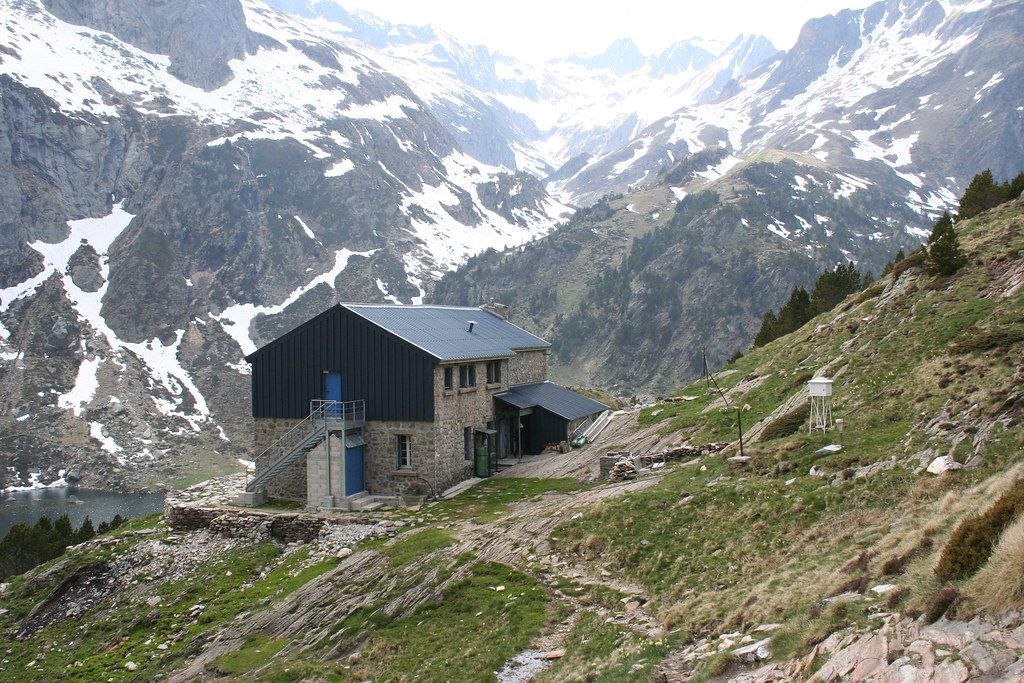
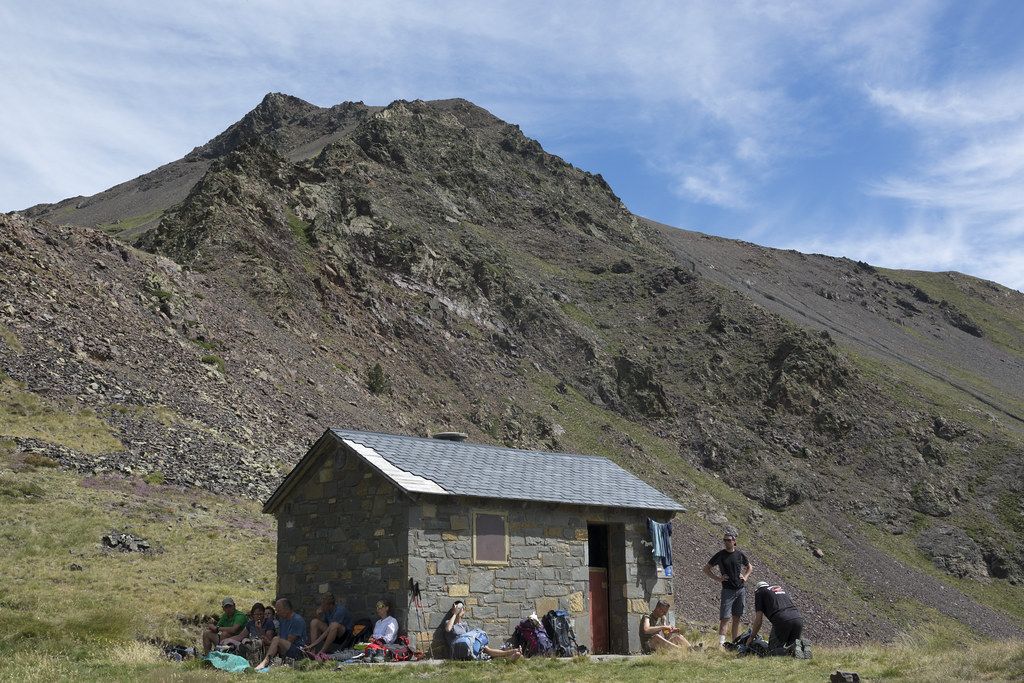
Unguarded refuges are simple shelters without staff. Some are small huts with a few bunks or a sleeping platform; others are the winter rooms of guarded refuges, left open when the main building is closed. They may have blankets or mattresses, but often nothing more. You bring your own sleeping bag, food and stove, and you cannot count on finding space or any equipment.
Many unguarded huts sit in remote places and are meant for shelter in bad weather as much as for planned overnight stays. Use them with respect, and leave them clean and ready for the next person.
Reservations and half-board
At guarded refuges, reserve ahead, especially in July and August and at weekends. Popular refuges, such as Góriz below Monte Perdido, can be full for many nights in a row. Reservation systems differ: some take bookings online, others by phone or email. Prices and payment methods vary, and some refuges deal only in cash because of poor connections.
If your plans change, cancel. Wardens plan meals and beds around reservations, and an empty bed on a busy night means someone else was turned away.
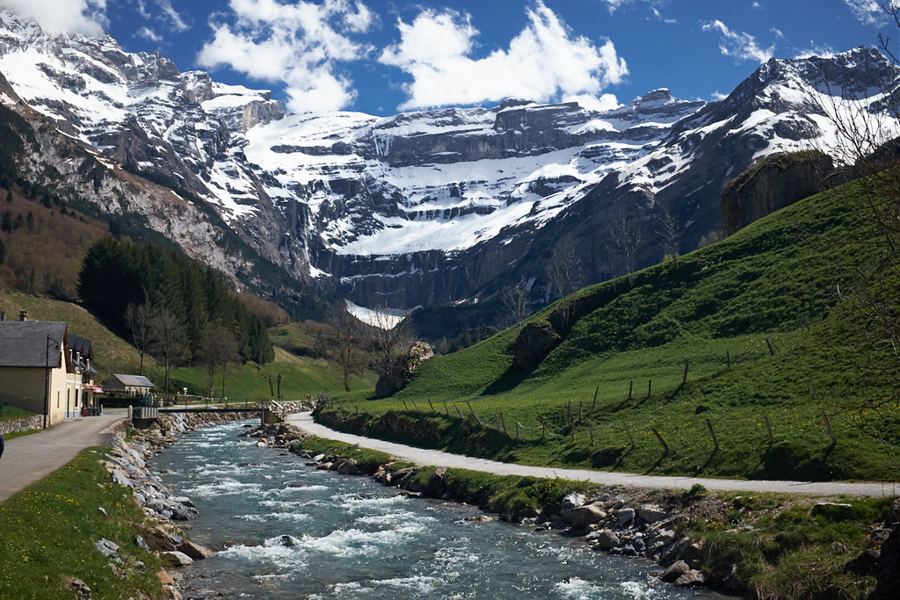 Another routeVignemale and the Cirque de Gavarnie
Most guarded refuges offer half-board: dinner, a bed and breakfast. Dinner is usually served at a set time, early in the evening, at shared tables. Expect simple, filling food such as soup, pasta or rice, a main dish and dessert. Tell the warden about dietary needs when you reserve. Breakfast is often very early for those leaving for summits, and many refuges will prepare a packed lunch if you ask in advance.
Sleeping sacks, boots and quiet hours
Dormitories are shared, with bunks or long sleeping platforms. Refuges usually provide blankets or duvets and pillows, but you need your own sleeping liner, a light sheet sleeping bag, for hygiene. Earplugs help in a room of tired walkers.
Boots stay in the boot room at the entrance; many refuges provide simple hut shoes, or you can bring your own light footwear. Keep your gear tidy and your rucksack out of walkways.
Refuges keep quiet hours, usually from late evening to early morning. Lights go out early, because many guests will be up before dawn. Pack your bag the night before, use a head torch with a red light setting in the dormitory, and keep noise down when you rise.
Carrying out rubbish and other etiquette
Everything that comes to a refuge has to be carried in or flown in by helicopter, and everything that leaves must go down the same way. Take your rubbish back down with you, including food packaging, tissues and batteries. Some refuges ask guests to carry down a bag of waste.
Water, electricity and space are limited. Use water sparingly, charge devices only if the refuge allows it, and do not expect hot showers. Follow the warden's instructions; they know the hut, the mountain and the weather.
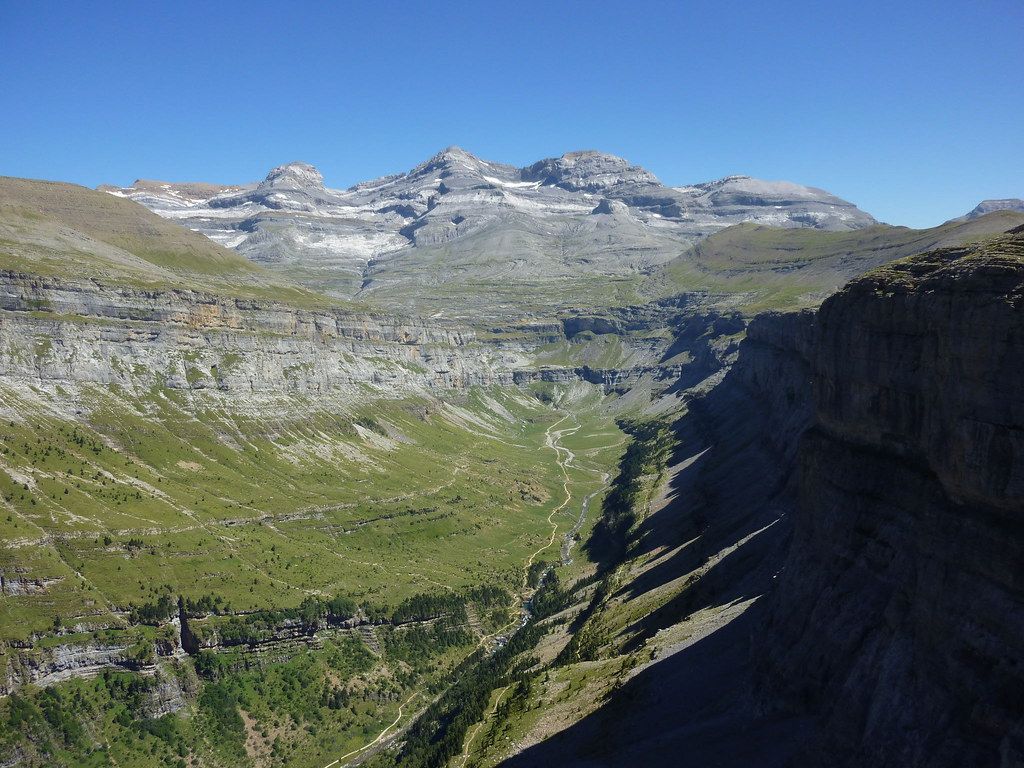
Refuges in winter and spring
Outside the summer season, most guarded refuges close, though some open at weekends or for the spring ski-touring season. Their winter rooms are usually left unlocked: small, unheated spaces with bunks and blankets, sometimes a stove, and nothing else. Bring a warm sleeping bag, food, a stove and fuel, and be ready to find the room full or the door buried in snow.
Reaching a refuge in winter is a different undertaking from the summer walk. Paths disappear under snow, the approach may cross avalanche terrain, and the days are short. Read the avalanche bulletin, plan the route with care, and go only if you have the training and equipment for winter mountains, or with a qualified mountain guide. A refuge that is an easy afternoon's stroll in July can be a serious objective in February.
Planning a hut-to-hut route
Refuges also make it possible to walk for several days through the mountains. In Aigüestortes, a ring of refuges links the lakes and passes of the national park, and similar networks exist across the range. Plan each stage carefully, with time for weather delays, and reserve every night in advance during the busy season.
Carry enough warm clothing, food and light to cope with a night out if something goes wrong, and tell someone your plans. A refuge is a shelter and a welcome, but in the mountains, your own preparation is what keeps you safe.