Why snowshoes suit the Pyrenees
Snowshoeing is the simplest way to walk in the winter mountains. Strap a pair of snowshoes to your boots and you can cross deep snow that would swallow you to the knees on foot. You do not need to know how to ski, the technique takes minutes to learn, and you can go at your own pace through forests and over open ground.
The Pyrenees suit it well, and the Val d'Aran in particular. Because the Aran faces north and catches Atlantic weather, it often holds plenty of snow, and its slopes are covered in fir and beech forest that shelters you from the wind. In the trees, the snow stays soft and the silence is deep. Higher up, open plateaus give wide views of white peaks.
Easy routes in general
The best snowshoe routes for beginners follow forest tracks, valley floors and gentle plateaus. Many summer paths and forest roads make good winter routes, as long as they stay away from steep slopes. In the Aran, the forests above the villages and the side valleys offer plenty of choice, and local tourist offices can point you to routes suited to current conditions.
Look for routes that:
- stay on gentle ground, with no steep slopes above or below
- follow forest tracks, valley floors or broad, rounded ridges
- are short enough to finish well before dark, with time to spare
- have an obvious way back if the weather turns
Expect to move more slowly than in summer. Breaking trail through fresh snow is hard work, and a walk that takes two hours in summer may take three or four on snowshoes.
The Beret plateau
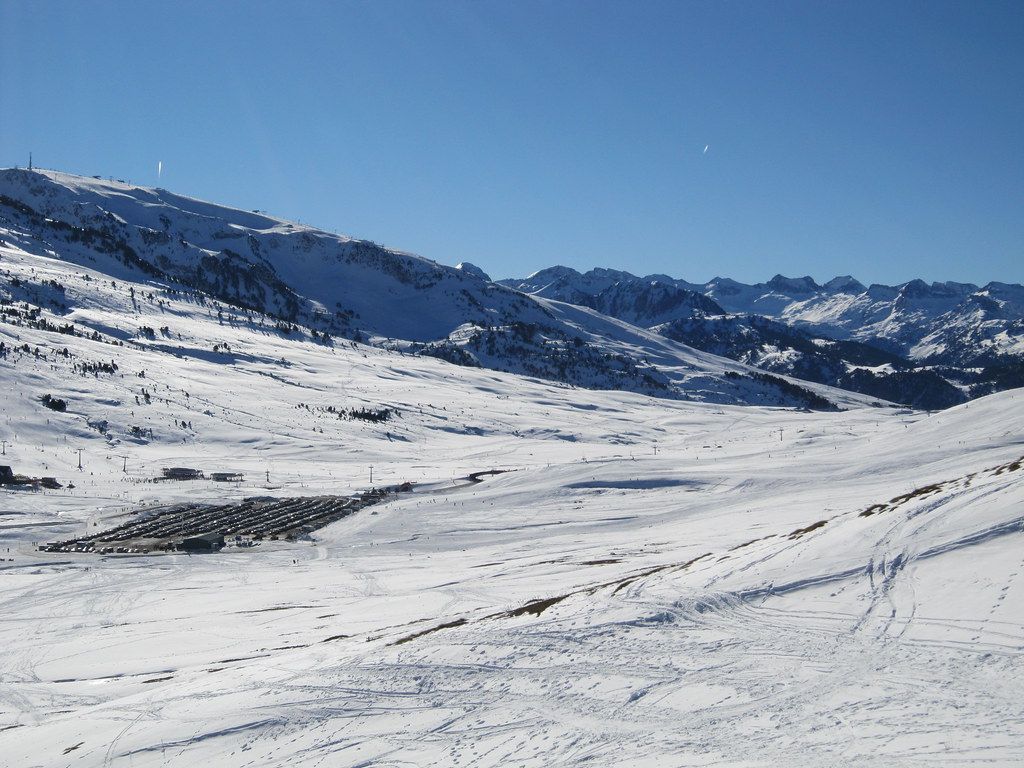
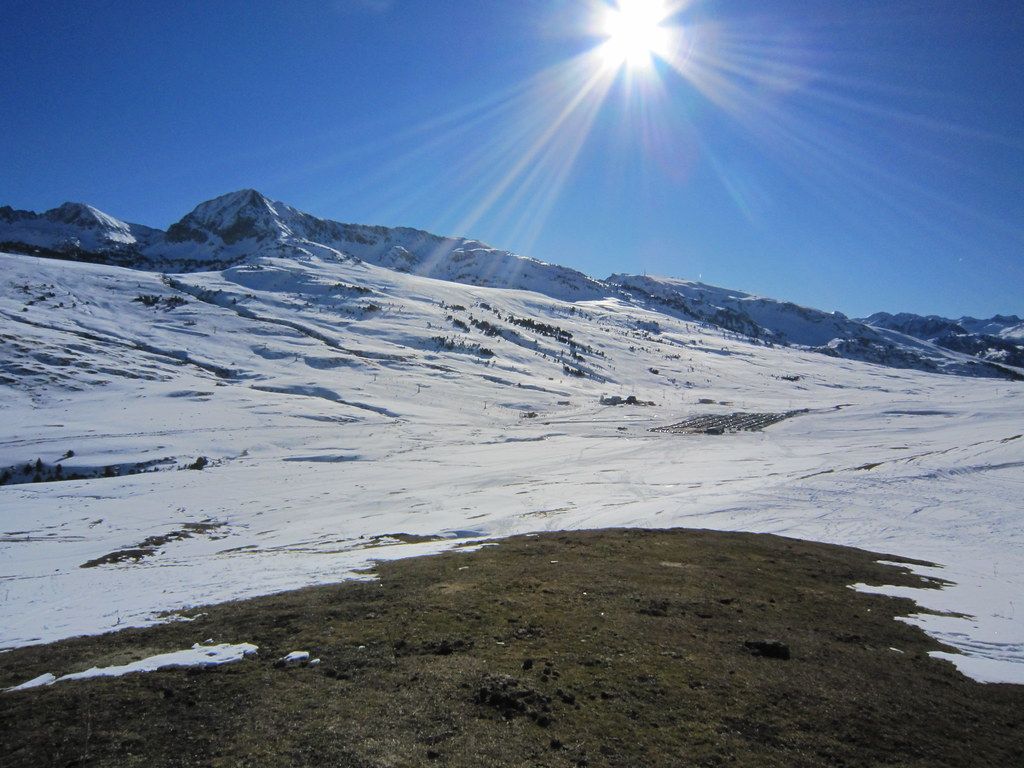
The Pla de Beret, in the upper Aran, is a broad, high plateau at about 1,850 metres. It is close to where the Garona and the Noguera Pallaresa rivers begin, one flowing north to the Atlantic and the other south to the Mediterranean. In winter it becomes a wide, open expanse of snow surrounded by peaks.
The plateau is popular for gentle snowshoe walks and cross-country skiing, and part of it lies within the Baqueira-Beret ski area, so expect lifts and pistes on parts of it. Keep off the pistes and away from grooming machines, and look out for marked snowshoe routes, which some resorts lay out each season.
 Another routeSleeping in Pyrenean refuges
On a clear day the open ground and big views make the plateau a fine place to start. In cloud, though, it becomes a featureless white space where it is easy to lose your bearings. Carry a map and compass or GPS, know how to use them, and turn back if visibility drops.
Avalanche awareness, even on gentle terrain
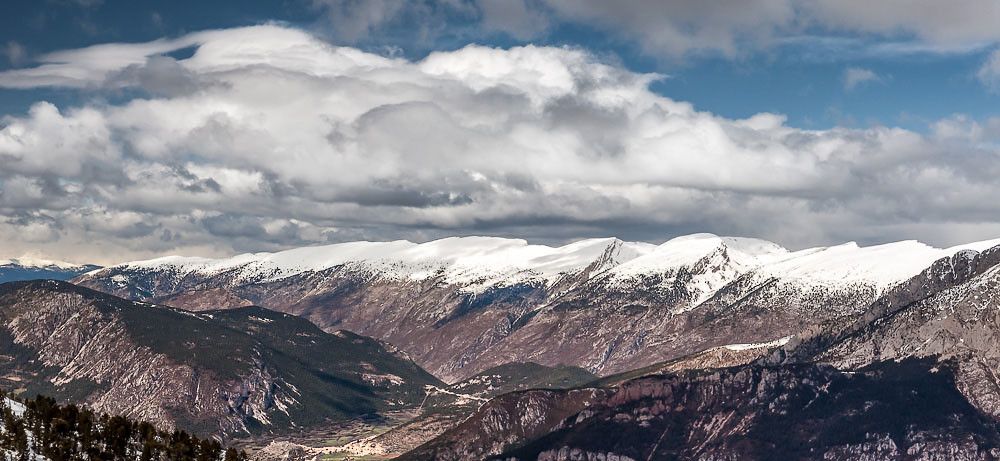
Snowshoers often assume that avalanches are only a concern for skiers on steep slopes. That is a dangerous mistake. Avalanches can start on steep slopes far above you and run down onto gentle ground, valley floors and forest tracks. Gullies, the foot of steep slopes and the bottoms of narrow valleys are all terrain traps where snow collects.
Before any outing, read the Val d'Aran's own avalanche bulletin, or the relevant bulletin for wherever you are walking, and understand what the danger level means. Learn to recognise steep slopes, and plan your route to stay well away from them and from their run-out zones. Basic avalanche awareness is part of winter walking, not an extra.
Carry an avalanche transceiver, probe and shovel, and practise using them with your companions. They are only useful if everyone in the group carries them and knows how to search. An avalanche awareness course is the best way to learn.
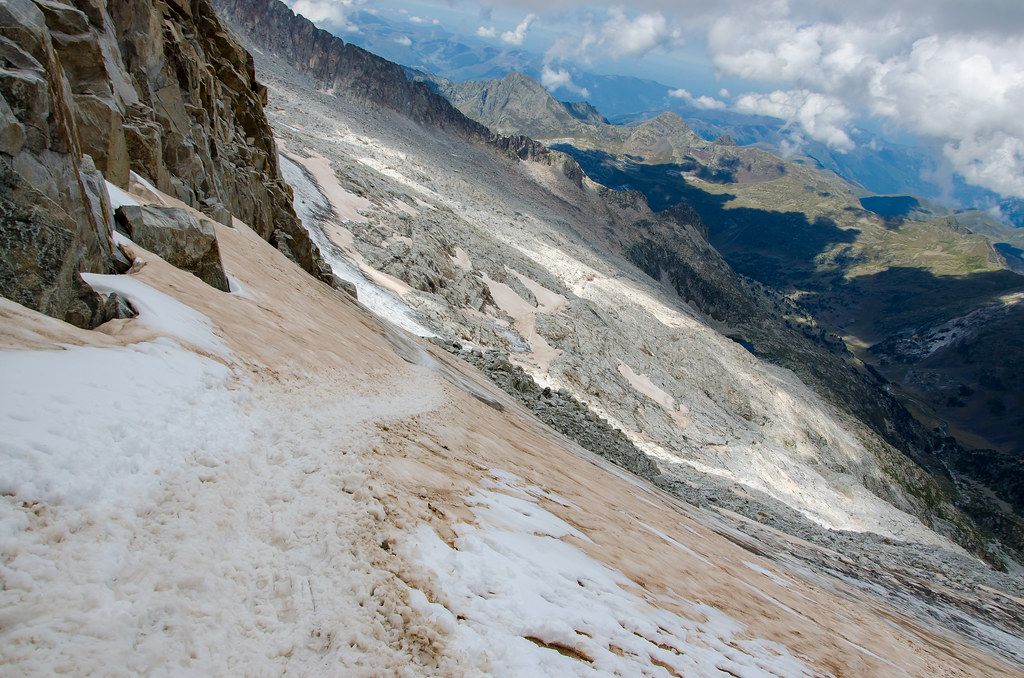
Not all winter snow suits snowshoes. Late-lying spring snow on steep slopes can freeze hard overnight, and a slip on it can send you sliding a long way. That is terrain for crampons and an ice axe, not snowshoes.
Technique and timing
Walking on snowshoes is close to normal walking, with a slightly wider stance so the frames do not clash. On climbs, flip up the heel raisers if your snowshoes have them, and kick the front of the shoe into the slope so the crampon teeth bite. On descents, keep your weight slightly back and your knees soft. Traversing a steep slope on snowshoes is awkward and insecure, which is one more reason to keep to gentle ground.
Take turns breaking trail in deep snow, because the person in front works much harder than those behind. Plan to be back well before dark, and leave plenty of margin: winter days in the Pyrenees are short, and the cold comes quickly once the sun drops behind the ridges.
What to bring
Dress in layers that you can add or remove as you warm up and cool down. Waterproof boots, gaiters, gloves and a warm hat are essential, along with sunglasses and sun cream, because the sun reflected off snow is strong. Poles with snow baskets help with balance and climbing.
Carry water, food, a map and a head torch, and keep a warm spare layer in your pack. Winter days are short, and cold sets in quickly once the sun drops behind the ridges.
When to go further
Once you are comfortable on snowshoes and have some avalanche knowledge, you may want to go higher. Steeper or more remote routes call for proper training and judgement, and often a qualified mountain guide. If you want to cover more ground, ski touring is the next step, with its own skills and courses. Either way, the forest walks and plateaus will always be there for quiet days in the snow.